A step-by-step guide to property investing
Discover simple tips to get started on your property investing journey, including common wealth-creation strategies…


Having more properties to choose from can make the search for your next home exciting. However, if you need to sell your existing property to fund the purchase, coordinating both transactions can be challenging.
Recent Cotality figures from October show that the median time properties spent on the market reached 39 days, its highest level since August 2020. With homes taking longer to sell, buyers may have more opportunities to explore, but sellers could face a longer wait before securing a buyer.


This is where bridging finance may come into consideration. It can provide short-term funding to help you purchase your next home before your current property sells. Here’s what you need to know about how it works, its potential benefits and the factors to consider before making a decision.
A bridging loan is a short-term financing arrangement designed to cover the financial gap between purchasing a new property and selling your existing one. Depending on the lender and loan conditions, the arrangement may run for up to 12 months.
The loan can potentially cover your current mortgage balance, the cost of your new property and additional purchase expenses, such as stamp duty. The highest combined amount you owe during the period when you own both properties is known as your peak debt.
Depending on the lender, you may need to make regular interest payments throughout the bridging period. Alternatively, some lenders allow the interest to be added to your loan balance. While this may reduce the need for immediate repayments, it also increases your overall debt and could result in interest accumulating on previously charged interest.
Once your existing property is sold and settlement is completed, the proceeds (after applicable selling costs) are generally used to pay down your bridging loan.
The remaining amount is referred to as your end debt. It’s important to understand how this balance will be managed and what your ongoing repayments will look like once the bridging period ends.
Buying your next home before selling your current one can offer greater flexibility, particularly when it comes to planning your move.
Rather than having to sell first and find temporary accommodation, bridging finance may allow you to move directly into your new property. This can help avoid additional expenses associated with renting, storage facilities and moving house more than once.
It may also give you more time to organise the sale of your existing home. With your belongings already moved, you could prepare the property for inspections, make improvements or present it to prospective buyers without having to manage the disruption of living there.
Whether you’re upgrading to a larger home, downsizing or moving to another location, having additional time to coordinate both transactions could make the process more manageable.
Bridging finance isn’t suitable for every homeowner. Your available equity, financial circumstances, property values and ability to manage the repayments will all influence whether this type of loan is an option.
Before proceeding, consider the following factors:
Although you may have an estimated selling timeframe, there’s no guarantee your property will sell within that period. You also need to account for the time between accepting an offer and completing settlement.
A longer selling period could mean additional interest charges and higher holding costs. It’s worth considering different scenarios, such as selling within three, six or nine months, to understand how each timeframe could affect your finances.
Your expected sale price plays an important role in determining how much debt will remain after the sale.
If your property sells for less than anticipated, you may be left with a larger end debt than originally planned. This could affect your ongoing repayments and overall financial position.
Consider whether your budget could comfortably accommodate the remaining loan, particularly if interest rates increase or your sale takes longer than expected.
During the bridging period, you may be responsible for expenses associated with both properties.
These can include:
Taking all these expenses into account will help you understand the true cost of bridging finance and compare it with other available options.
Bridging loans generally come with a defined timeframe for repayment. While some lenders may consider an extension, approval isn’t guaranteed.
If your existing property hasn’t sold by the agreed deadline, you could face pressure to repay the outstanding balance. In certain circumstances, the lender may take steps to recover the debt, including selling property used as security.
Make sure you understand the loan’s repayment conditions, deadlines and potential consequences. Having a backup plan in case your property takes longer to sell can also help reduce financial uncertainty.
Bridging finance is one option, but it’s worth exploring other approaches before deciding how to fund your next property purchase.
Sell your current property first. Selling before buying gives you a clearer understanding of your available funds and the amount you can put towards your next home. However, you may need to arrange temporary accommodation if your purchase doesn’t align with your settlement date.
Negotiate a longer settlement period. When purchasing your next property, you could discuss a longer settlement timeframe with the seller. This may give you additional time to secure a buyer for your existing home before completing the purchase.
Make an offer subject to the sale of your existing property. In some circumstances, you may be able to negotiate an offer that is conditional on selling your current home. This is subject to the seller’s agreement and the terms of the contract. Your solicitor or conveyancer can explain the conditions and potential implications before you proceed.
The right approach will depend on your financial position, property circumstances and how much flexibility you have with your buying and selling timelines.
Coordinating the sale of one property with the purchase of another doesn’t have to be a guessing game. Understanding your borrowing options early can help you make more informed decisions and avoid unexpected financial pressure.
At 1st Street, we can help you explore suitable finance options, understand the potential costs and assess how different selling scenarios could affect your next move.
Thinking about buying before selling? Get in touch with our team to discuss your home loan options and take the next step with greater confidence.
Discover simple tips to get started on your property investing journey, including common wealth-creation strategies…

While managing your own investment property can seem like a simple way to keep more…
Yes, that’s right. You pay zero, zip, nada.
1st Street’s premium service comes at no cost to you! 1st Street is paid by the lender when your loan settles, however, this will not affect your interest rate or loan fees! It is often more cost-effective for a mortgage broker to process a loan rather than the lenders processing it themselves in-house. In fact, we often find that we can save you money by negotiating on your behalf.
I want to buyI want to refinance
*While our core residential home loan services are provided free of charge, there may be instances where specific services require a fee. If you have any questions about which services are complimentary and which might incur a charge, please feel free to reach out.


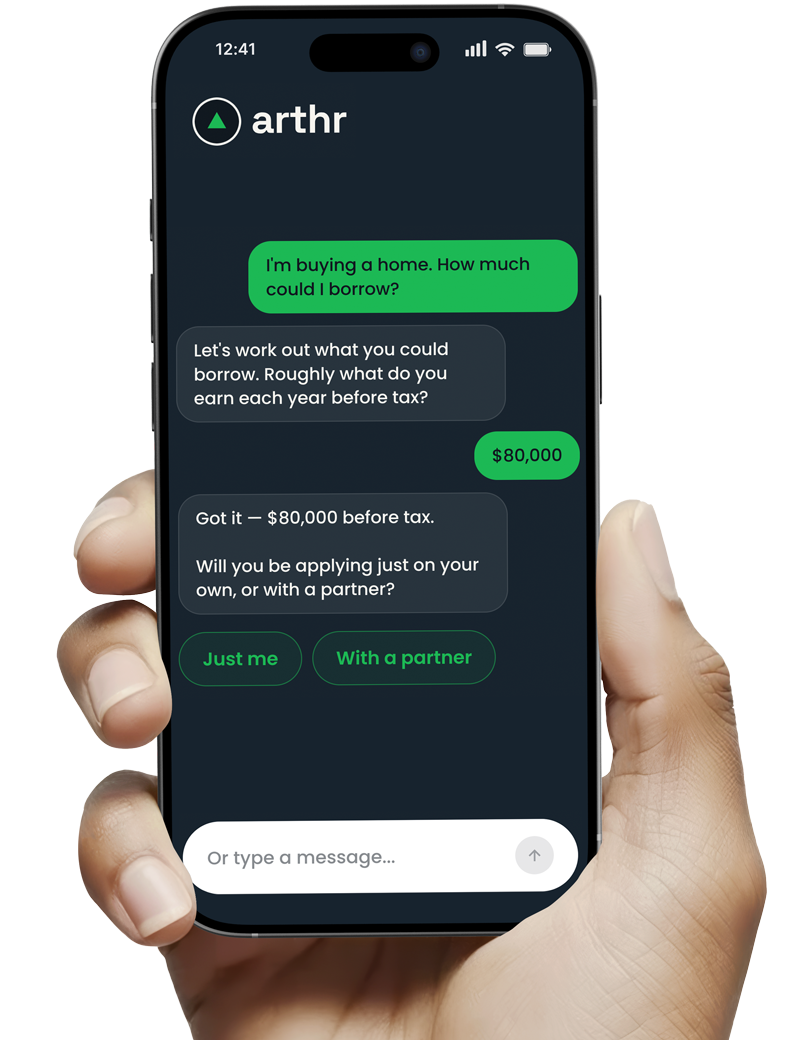
Explore your borrowing power and understand your options with Arthr, your AI borrowing assistant.
Try Arthr