A homeowner’s guide to refinancing
With a home loan it’s easy to just ‘set and forget’. But it’s sensible to…


Granny flats are becoming an increasingly popular option for Australian homeowners looking to get more value from their existing properties.
With the cost of living continuing to put pressure on household budgets and property prices making home ownership challenging for many Australians, adding a secondary dwelling can offer several benefits. It could provide an additional source of rental income, create independent accommodation for family members or make better use of unused backyard space, all without the need to purchase another property.
The trend is also gaining attention across the building industry. According to a Housing Industry Association (HIA) survey, respondents expected to build 10 times more granny flats in 2026 than they did in 2022.
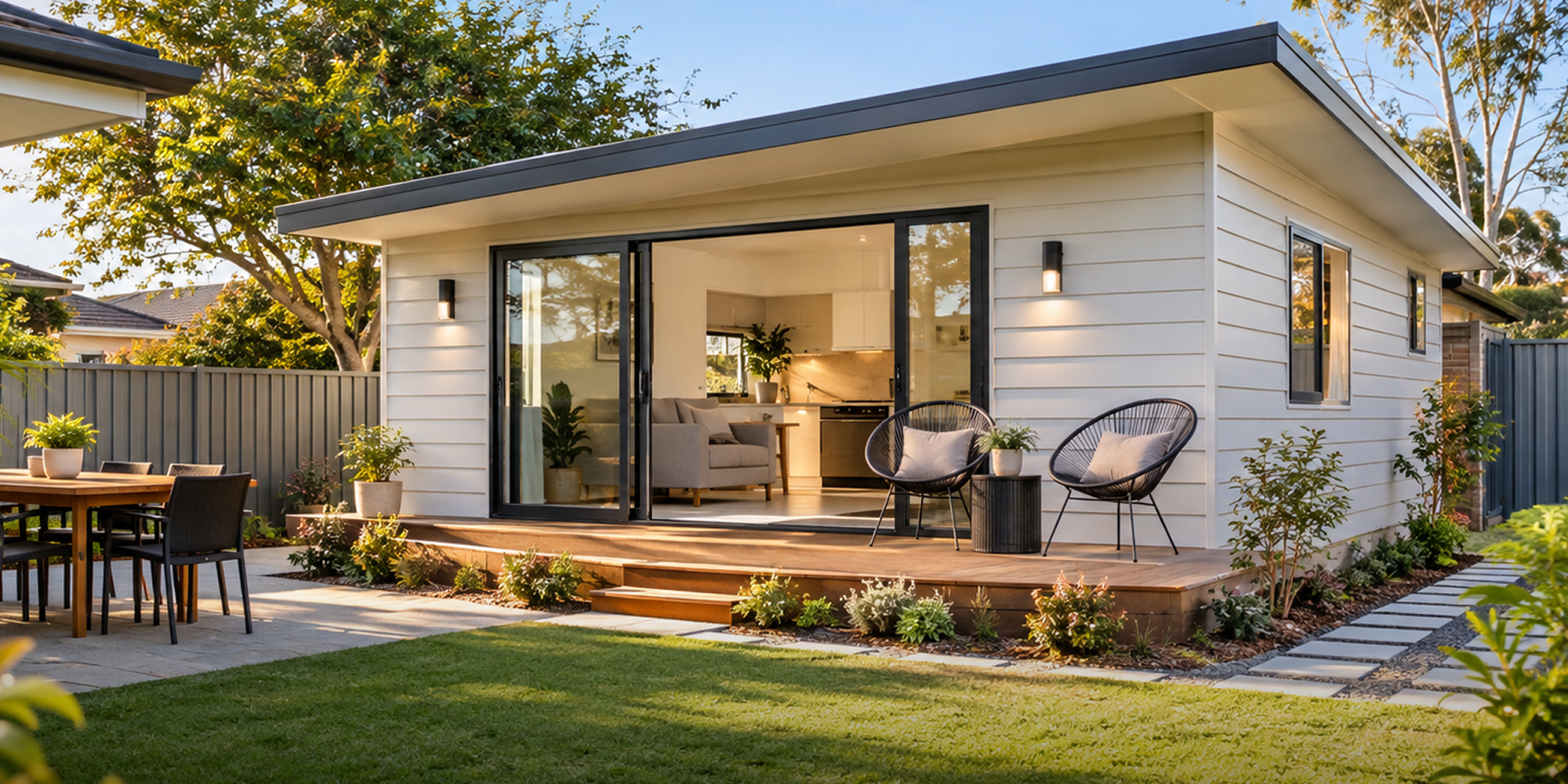
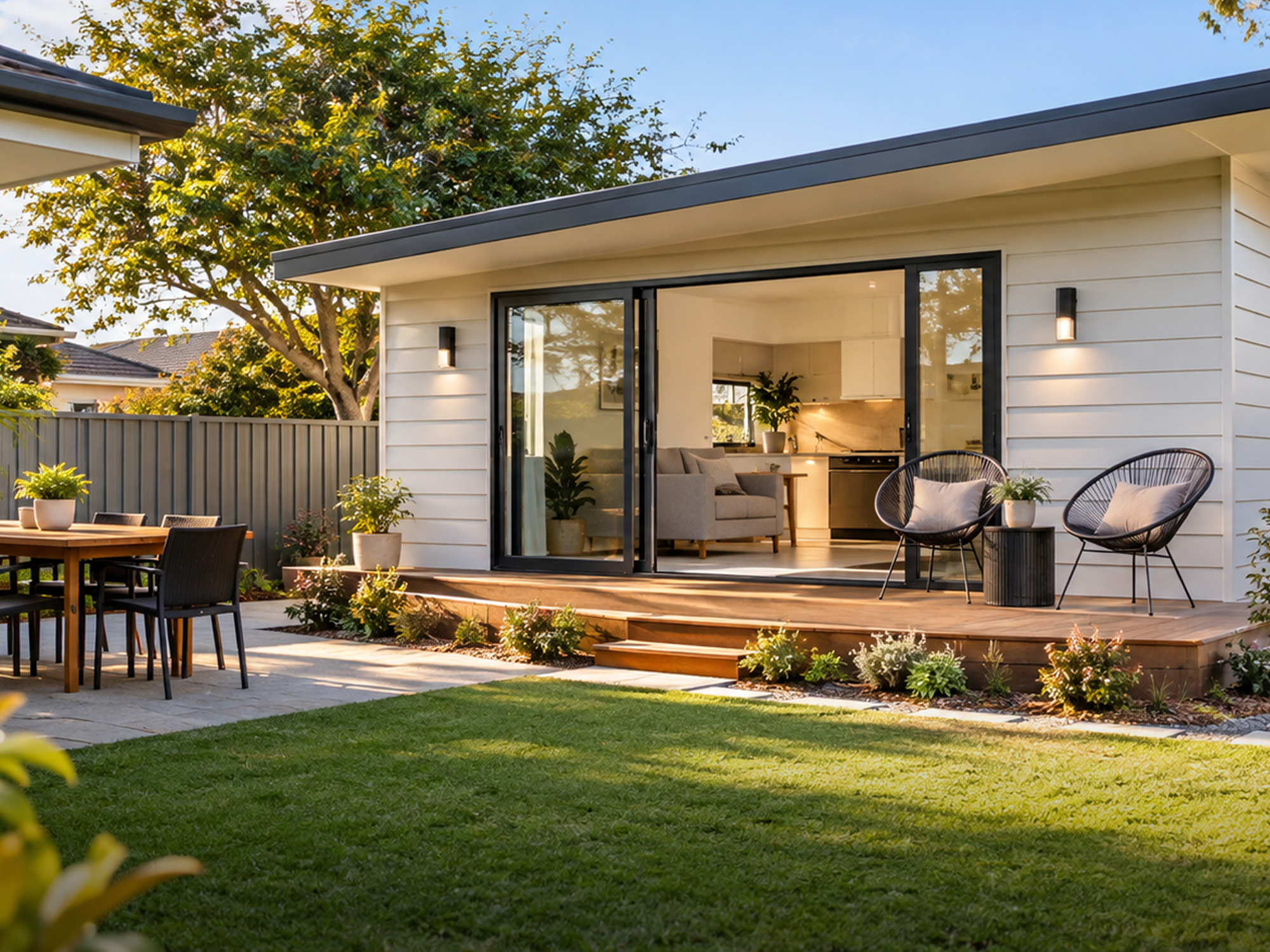
However, building a second dwelling involves more than choosing a design and finding a suitable builder. From council regulations and construction costs to financing options, there are several important factors to consider before getting started.
As demand for granny flats continues to grow, there has been increasing discussion around establishing a consistent national approach to secondary dwellings. For now, however, requirements still vary between Australian states, territories and local councils.
Some state governments have already introduced changes to simplify the approval process and provide homeowners with greater flexibility.
For example, New South Wales introduced legislation in 2009 to standardise approval requirements for granny flats and reduce the need for certain council processes.
Victoria has also made several adjustments to its planning rules. In 2023, the state introduced planning exemptions for small second dwellings under 60 square metres. Further changes followed in 2025, including updated residential standards for smaller blocks. As of October 2026, the maximum floor area for qualifying small second dwellings has increased to 80 square metres.
Western Australia introduced reforms in 2024 that removed the requirement for planning approval for certain compliant granny flats of up to 70 square metres. The previous minimum lot size requirement of 350 square metres was also removed. Further changes are being considered to increase the permitted floor area to 90 square metres.
Meanwhile, Tasmania announced in March 2026 that it would increase the allowable size of granny flats from 60 to 90 square metres.
Rules around occupancy and renting have also become more flexible in some parts of the country. Queensland, South Australia, Western Australia and Victoria allow certain granny flats to be rented to people outside the property owner’s immediate family, subject to relevant planning, approval and tenancy requirements.
Despite these changes, homeowners should not assume that the same rules apply everywhere.
Before committing to a design or construction project, check with your local council to understand the requirements for your property. Even where planning approval is not required, building standards, safety regulations and other conditions may still apply.
The cost of adding a granny flat will depend on several factors, including the type of construction, the size of the dwelling, the materials used and the condition of your property.
Homeowners generally have a few options to choose from:
Each option has its own advantages, and the right choice will depend on your budget, available space and intended use.
According to Hipages, building a granny flat can cost approximately $80,000 to $160,000, with more elaborate custom designs potentially exceeding $200,000.
These estimates provide a general indication of construction costs, but your actual expenses may vary depending on the project.
When requesting quotes from builders, make sure you understand exactly what is included. Some advertised prices may exclude important expenses such as:
It’s worth comparing the total cost of a completed, liveable dwelling rather than focusing solely on the initial construction or kit price. This can help you avoid unexpected expenses along the way.
Once you’ve established your plans and estimated the construction costs, the next step is working out how to finance the project.
The good news is that homeowners may have several financing options available. However, not every lender assesses granny flat projects in the same way.
Some lenders may consider the potential rental income when assessing an application, while others may have additional requirements for modular homes, kit homes or secondary dwellings.
Depending on your financial position and the lender’s criteria, possible financing options may include:
If your property has increased in value or you’ve paid down a portion of your mortgage, you may have accumulated equity that could be used towards the construction costs. Depending on your circumstances, you may be able to access some of this equity through a suitable home loan arrangement.
A construction loan may be an option if you’re planning a larger building project. These loans generally involve staged payments throughout the construction process, with funds released as specific building milestones are completed.
For smaller or less complex granny flat projects, a personal loan may be worth exploring. However, interest rates, borrowing limits and repayment terms can differ considerably from home loan products.
It’s important to understand the costs and conditions associated with each option before making a decision.
There may also be additional assistance available for eligible first-home buyers. For instance, Queensland’s First Home Owner Grant may apply to certain detached dwellings, including granny flats constructed on a relative’s land, provided the applicant and property meet the relevant eligibility requirements.
If you’re unsure which financing approach may suit your circumstances, speaking with a mortgage broker can help you understand the options available.
A granny flat can be a practical way to make better use of your property, whether your goal is to generate additional rental income, accommodate family members or create more flexible living arrangements.
However, it’s important to look beyond the potential benefits and understand the full costs, regulatory requirements and financial commitments involved.
Taking the time to research your options and organise your finances before construction begins can make the process much more manageable.
Planning a granny flat project? Before committing to a builder or signing a construction agreement, it’s worth understanding how much you may be able to borrow and which finance options could work for your circumstances.
At 1st Street, we can help you explore your home loan options and work towards finding a suitable financing solution for your plans.
Get in touch with our team today and let’s take the next step towards bringing your granny flat project to life.
With a home loan it’s easy to just ‘set and forget’. But it’s sensible to…
There’s nothing quite like the thrill of finding those words in your inbox: Confirmation of…
We can help get you into your new home.
We’ve worked with clients across Australia to access the different first home owner grants (FHOG) as well as the various stamp duty and other concessions that may be available depending on which state you are in. We can talk you through your various options as well as helping you compare things like buying vacant land vs. an established home.



Explore your borrowing power and understand your options with Arthr, your AI borrowing assistant.
Try Arthr