Get EOFY-Ready as a Property Investor
With 30 June just around the corner, now is a good time for property investors to review…


Few milestones feel as exciting as getting the keys to your very first home. If you’re planning to buy in 2026, one of the biggest challenges can be saving enough for the deposit. With a smart plan and steady commitment, you can work your way towards it.

Here’s how to set yourself up for success.
Start by figuring out what size deposit you’ll need. Research recent sale prices in the suburbs you’re interested in to get a realistic picture of what your future home may cost. Then work backwards to calculate how much you’ll need to save.
Look into the Australian Government’s 5% Deposit Scheme, which allows eligible first-home buyers to enter the market with just a 5% deposit. If you’re not planning to take advantage of this, saving a 20% deposit can help you avoid lenders’ mortgage insurance (LMI).
Creating a monthly budget can help you determine how much you can comfortably put aside.
Start with your take-home income, list every expense and be honest about your spending. Include essentials like rent, groceries, utilities, insurance, petrol and subscriptions—and don’t forget those irregular costs that tend to pop up, such as car services or medical bills.
There are plenty of budgeting tools and apps that make this easier by tracking spending automatically and offering suggestions to help boost your savings.
If you don’t already have a dedicated savings account, consider opening one — preferably one with low fees and interest opportunities.
Set up automatic transfers so a portion of your income moves across each pay cycle without you having to think about it. A consistent savings pattern not only grows your balance over time, but may also help strengthen your home loan application.
To grow your savings faster, you may need to cut non-essential spending. For example:
Social media is full of “no spend” challenges — such as going a month without takeaway or putting a limit on clothing purchases — which can help reset spending habits.
Another option is to explore additional income opportunities. Some possibilities include:
You could also sell items you no longer use — old sports gear, instruments, furniture or collectibles. Even small wins add up over time.
Letting friends and family in on your savings plans can help keep you accountable. Your social life may look a little different — more potluck dinners and fewer big nights out — but those small changes can make a big difference over the year.
Buying your first home is a major achievement — and you don’t have to navigate the process alone.
As your Finance Broker, we can help:
Reach out whenever you’re ready to take the next step.
With 30 June just around the corner, now is a good time for property investors to review…
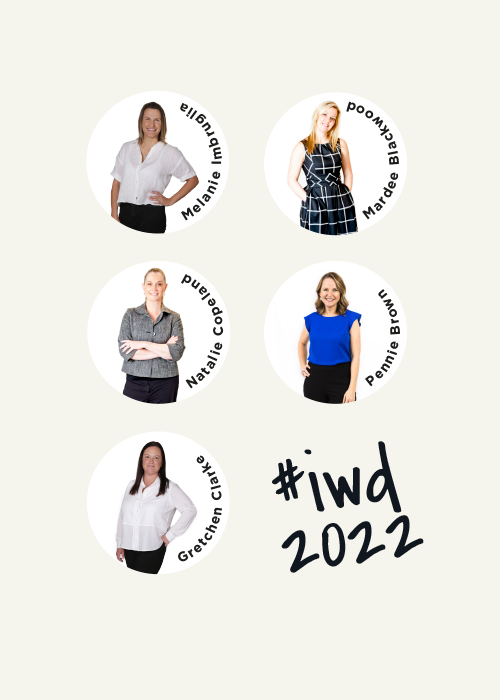
On this #internationalwomensday2022 we have decided to shine a spotlight on our wonderful female brokers…
We can help get you into your new home.
We’ve worked with clients across Australia to access the different first home owner grants (FHOG) as well as the various stamp duty and other concessions that may be available depending on which state you are in. We can talk you through your various options as well as helping you compare things like buying vacant land vs. an established home.


Use our online calculators to work out how much you can borrow, loan repayments, stamp duty and lots more.